Tattoo Old English: A Handwritten Font for Authenticity
There’s a specific feeling you get when you see that classic, intricate lettering. It’s bold, it’s personal, and it carries a weight of history. That’s the space where Tattoo Old English operates. This isn't just another typeface; it's a handwritten font that channels a raw, traditional aesthetic. It’s designed for projects that need a human touch, a sense of heritage, and an unapologetic statement. Think of it as the digital equivalent of a skilled calligrapher’s hand, perfect for when you want your message to feel crafted and intentional, not mass-produced.
More Than Just a Typeface: The Personality of Tattoo Old English
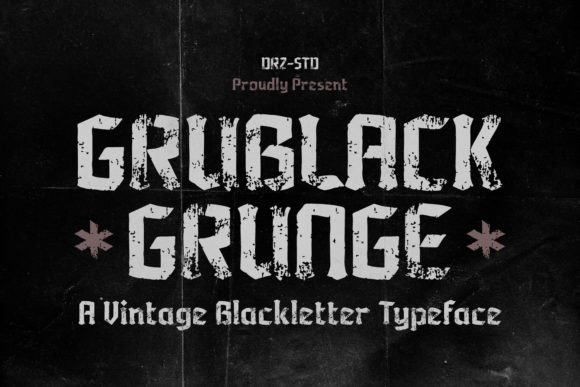
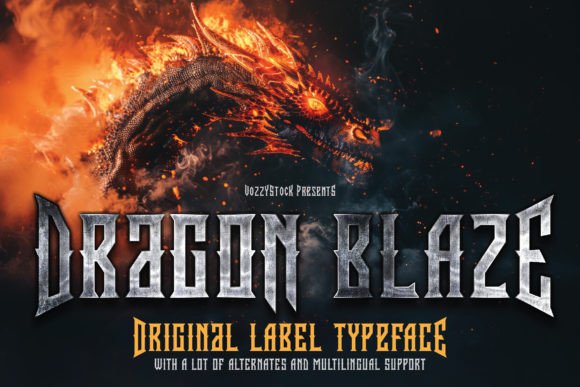
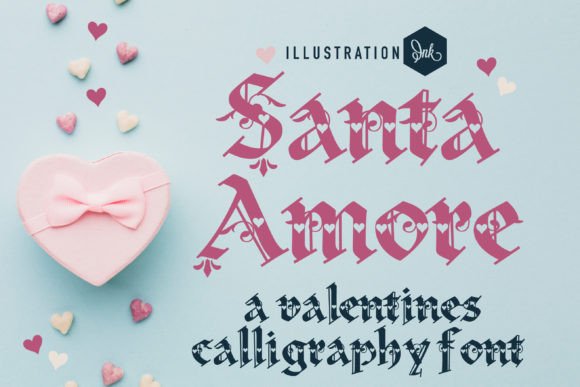
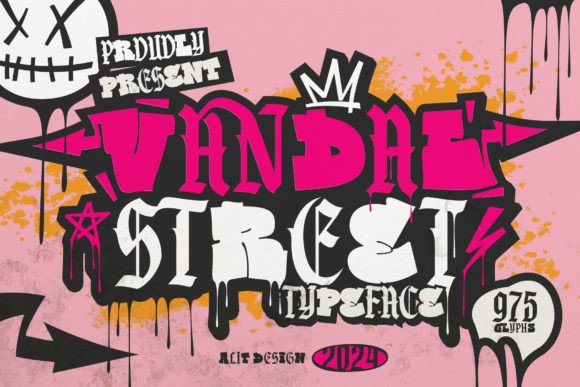
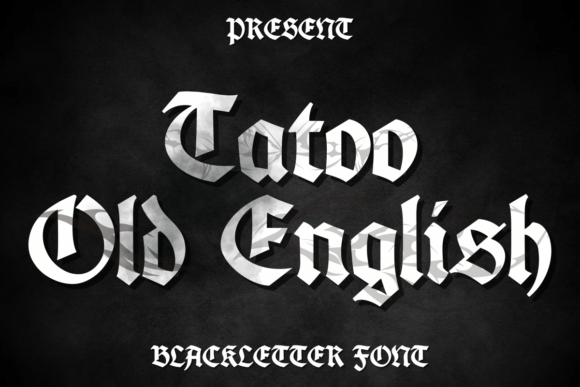
At its core, Tattoo Old English is a display font with the soul of a script. Its visual characteristics are defined by sharp, angular strokes, intricate serifs, and a distinct vertical stress that echoes the blackletter tradition. The letterforms are dense and rhythmic, creating a powerful texture on the page or screen. This gives it a personality that is simultaneously vintage and bold, authoritative yet deeply personal. It doesn’t whisper; it declares. The appeal lies in its ability to make text feel like a unique artifact rather than simple information. For a designer, this typeface is a tool for instant character injection. For a small business owner, it’s a way to evoke craftsmanship and legacy. For a content creator, it’s a signature style that stands out in a sea of clean, minimalist fonts.
Where This Creative Font Truly Shines
Understanding where Tattoo Old English works best is key to leveraging its power. Its strength is in applications where readability at a distance or in large blocks of text is less critical than impact and mood. This makes it a prime candidate for logo design, especially for brands in the craft beverage, barber shop, apparel, or heritage goods spaces. A logo set in this font immediately communicates a certain toughness, tradition, or artisanal quality.
Beyond logos, its applications are surprisingly versatile within the realm of design assets. Consider its use in packaging design for a limited-edition product or a special series label. It can elevate a simple product into something collectible. In editorial design, it’s a standout choice for magazine headlines, book titles, or chapter openers where you want to set a dramatic, thematic tone. For social media graphics, it can create thumb-stopping visuals for quotes, announcements, or brand identity posts. Think of a bold Instagram story header or a striking YouTube thumbnail. It’s also perfect for tangible goods: mugs, t-shirts, hats, and stationery. The font’s handwritten nature ensures that even on a mass-produced item, the message feels individually inscribed.
Practical Guidance: Evaluating Fit and Pairing
Choosing a font like Tattoo Old English requires a bit of strategic thinking. First, evaluate your project’s fit. Ask yourself: does my brand or project’s personality align with a bold, traditional, or handcrafted aesthetic? If your brand is ultra-modern, clean, and minimalist, this might be a stylistic clash. However, if you’re aiming for contrast—a sleek website with a powerful typographic headline—this premium font could be the perfect disruptor.
Next, consider font pairing. This is crucial for maintaining visual hierarchy and readability. Tattoo Old English is a dominant character; it shouldn’t be paired with another loud or overly decorative typeface. The best approach is to let it be the star. Pair it with a clean, neutral sans serif font for body text or supporting information. A simple, geometric sans serif will provide a clear counterpoint, ensuring your main message pops while secondary text remains easy to read. You could also pair it with a simple, understated serif font for a more classic, layered look. The key is contrast in structure and mood.
Always test the font in your specific context. Download a trial if available, or create mockups. See how it looks in your intended size and color scheme. Review the included styles and glyphs—does it have the characters and punctuation you need? Pay close attention to readability; while perfect for headlines, it will become challenging to read in small sizes or long paragraphs. Finally, if your project is commercial, verify the commercial licensing terms. Ensure the license covers your intended use, whether it’s for digital goods, printed merchandise, or client work.
Influencing Perception and Engagement
The font you choose does more than spell words; it shapes perception. Using Tattoo Old English can significantly influence how your audience engages with your content. It builds a specific brand identity rooted in authenticity and tradition. This can foster stronger recognition and a sense of loyalty among a target audience that values those qualities. In a digital landscape often dominated by clean, sans serif web design, this typeface offers a tactile, human element. It can make a social media post feel more personal, a website header more authoritative, and a product label more special. It’s a tool for visual hierarchy, drawing the eye exactly where you want it. Used thoughtfully, it doesn’t just decorate—it communicates a deeper message about quality, timelessness, and personal craft. For the entrepreneur, marketer, or creator, that’s a powerful asset to have in your typographic toolkit.